Grocery Prices in Davao: Palengke vs Supermarket Breakdown
· Updated · LiveDavao Editorial · 13 min read
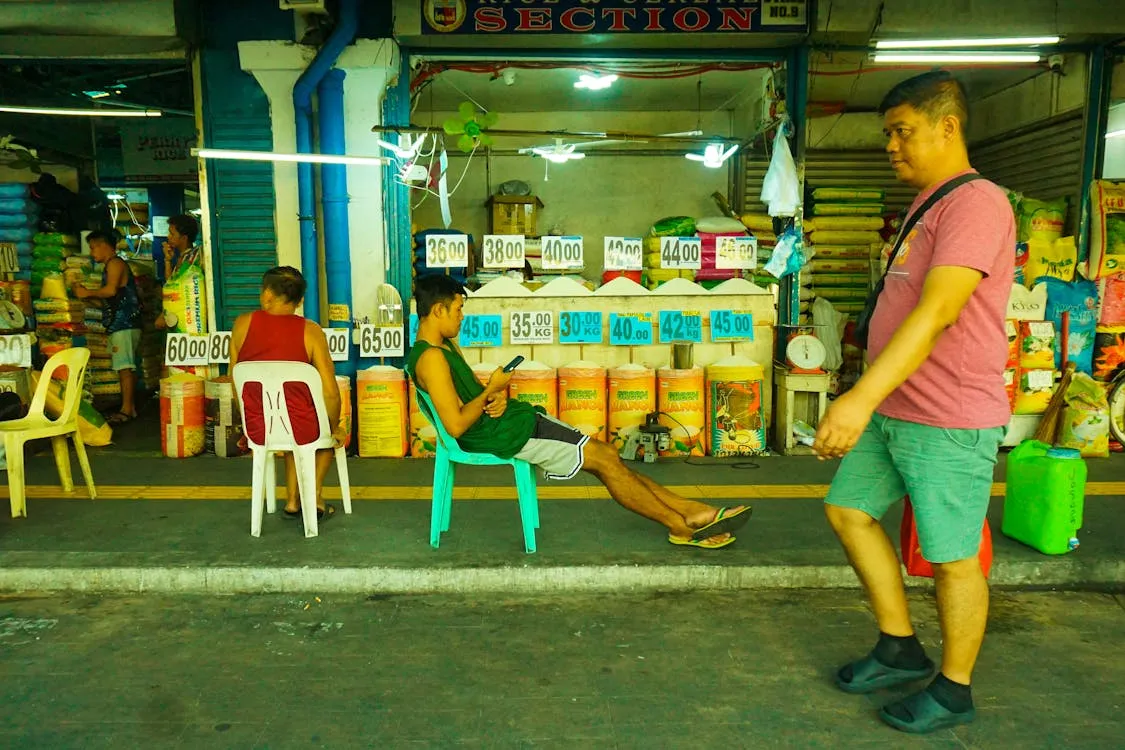
Groceries take the second-largest bite out of a Davao household budget, right behind rent. The gap between palengke and supermarket? Roughly 20–30% on fresh produce, fish, and meat. That is real money. A single person spending PHP 8,000–12,000/month (early 2026) on food can cut that figure meaningfully just by shifting where they buy fresh goods. This guide compares item-by-item prices between Davao’s palengke markets and supermarkets, maps out where to shop, and lays out monthly grocery budgets for different household sizes. For the full monthly expense picture, the cost of living guide covers rent, utilities, transport, and food combined.
How Much Do Groceries Cost in Davao?
A single person in Davao spends roughly PHP 8,000–12,000/month (early 2026) on groceries as of early 2026. That is about 23% below Manila for the same basket (Numbeo). Three things drive the range: where you shop, what you eat, and how often you cook versus eat out.
Couples spend PHP 12,000–16,000/month (early 2026) . Not double, because rice, cooking oil, and condiments stretch across shared meals. Families of four land between PHP 15,000–20,000/month (early 2026) . Kids push costs up — more processed snacks, milk, bread.
The biggest lever is where fresh goods come from. Buy all produce, fish, and meat at Bankerohan Public Market instead of SM Supermarket and save roughly PHP 1,500–3,000/month (early 2026) . That covers a water bill or half a month of internet. The PHP 20,000 monthly budget breakdown shows exactly where grocery savings fit into overall spending.
Palengke vs Supermarket: Price Comparison
The price gap between Davao’s wet markets and chain supermarkets follows a consistent pattern: fresh goods are significantly cheaper at the palengke, while dry goods and packaged items show minimal difference.
| Item (per kilo unless noted) | Palengke | Supermarket |
|---|---|---|
| Rice (regular milled, 1 kg) | PHP 42–48 | PHP 48–58 |
| Rice (premium/Jasmine, 1 kg) | PHP 55–70 | PHP 60–80 |
| Chicken (whole, 1 kg) | PHP 160–200 | PHP 190–240 |
| Pork liempo (1 kg) | PHP 280–340 | PHP 320–400 |
| Pork kasim (1 kg) | PHP 250–300 | PHP 290–360 |
| Bangus/milkfish (1 kg) | PHP 170–220 | PHP 240–300 |
| Galunggong (1 kg) | PHP 140–180 | PHP 180–240 |
| Tilapia (1 kg) | PHP 120–160 | PHP 160–200 |
| Eggs (1 dozen) | PHP 84–96 | PHP 90–108 |
| Tomatoes (1 kg) | PHP 40–80 | PHP 60–100 |
| Eggplant (1 kg) | PHP 40–60 | PHP 60–90 |
| Kangkong (bundle) | PHP 10–20 | PHP 25–40 |
| Onion (red, 1 kg) | PHP 80–120 | PHP 100–140 |
| Garlic (local, 1 kg) | PHP 140–180 | PHP 160–200 |
| Cooking oil (1 liter) | PHP 70–90 | PHP 75–95 |
| Soy sauce (1 liter) | PHP 40–55 | PHP 42–58 |
The pattern holds across most fresh categories. Fish shows the widest savings — bangus at the palengke runs 25–30% less than the same cut wrapped in plastic at SM. Vegetables vary more by season: tomatoes and onions can spike 50-100% after typhoons disrupt supply chains from Northern Luzon, though Davao’s local farms in the highlands buffer some of that volatility.
Dry goods (bottom rows of the table) barely differ. Cooking oil, soy sauce, vinegar, canned sardines, and instant noodles cost nearly the same whether bought at a sari-sari store, palengke dry goods section, or supermarket aisle. For those items, supermarket convenience — air conditioning, organized shelves, electronic payment, makes more practical sense.
The carinderia and street food guide covers the cost math for eating out versus cooking at home, including per-meal comparisons.
Where to Shop in Davao
Davao’s grocery options split into two categories: wet markets (palengke) for fresh produce at the lowest prices, and chain supermarkets for packaged goods, air-conditioned comfort, and cashless payment.
Bankerohan Public Market
Davao’s largest and cheapest wet market sits near the Bankerohan Bridge along the Davao River, roughly a 10-minute drive from SM City Davao. It operates 24 hours, though the sweet spot for fresh goods is between 4am and 7am when the day’s catch and harvest arrive from General Santos (tuna and seafood), the Davao highlands (vegetables), and Bukidnon (root crops and leafy greens).
The fish section is the main draw — galunggong, bangus, tilapia, tuna belly, squid. Shrimp at near-wholesale prices. The fish section is the main draw — galunggong, bangus, tilapia, tuna belly, squid, and shrimp at near-wholesale prices. The vegetable section runs parallel, with stall after stall of produce priced below any supermarket in the city. Meat vendors sell pork and chicken by the kilo with visible grading. Expect tight aisles, wet floors, and crowds during peak morning hours; parking is limited; tricycles and habal-habal are the easier way in. Jeepneys from Matina, Toril, and Bajada all pass near Bankerohan — the transport guide has fare details. One practical note: Bankerohan sits along the Davao River and the road near Bankerohan Bridge can flood during heavy rains. During the rainy season (June-November), check weather conditions before an early morning trip, the market itself stays operational, but access roads flood first.
Agdao Public Market
A cleaner, smaller alternative to Bankerohan, located in Barangay Agdao along Lapu-Lapu Street. Prices match Bankerohan on most items, with less crowding and shorter lines. The market operates from 4am to 7pm and underwent recent renovation. For residents in Agdao, Lanang, and Sasa, it is more practical than the trip south to Bankerohan. The fish and vegetable sections are well-organized, and bulk buyers can negotiate discounts with regular vendors.
Matina Crossing Public Market
A mid-sized palengke serving the Matina district, convenient for renters along Quimpo Boulevard and the BPO corridor. Prices sit slightly above Bankerohan (roughly PHP 5–10 per kilo more on fish and meat) but below supermarket levels. The market is busiest before 8am and thins out by early afternoon. Residents renting in Matina and Ecoland use it as their primary fresh goods source.
SM Supermarket (SM City Davao and SM Lanang Premier)
The two SM locations anchor Davao’s supermarket scene. SM City Davao on Quimpo Boulevard sits in Ecoland; SM Lanang Premier is along JP Laurel Avenue. Both carry the full range, fresh produce (higher prices than palengke, but pre-weighed and packaged), imported goods, frozen meats, dairy, and household essentials. SM’s Bonus brand offers budget alternatives on staples. Accept cash, credit cards, and GCash.
Gaisano Grand and Gaisano Mall
Gaisano has been in Davao since 1997 and positions itself as the affordable supermarket chain. Gaisano Grand on JP Laurel and Gaisano Mall on Uyanguren (Ramon Magsaysay Avenue) run periodic “Barato Buys” sales with discounts up to 80% on selected items. Dry goods and canned goods are competitively priced against SM. The produce section sources some items locally, keeping vegetable prices a few pesos below SM on typical days.
NCCC Supermarket
Mindanao’s homegrown retailer with over 40 branches across the Davao region. The NCCC Mall branch on Uyanguren carries meat, poultry, canned goods, and fresh produce. Pricing lands between palengke and SM, slightly cheaper than SM on most items, with a wider selection than smaller sari-sari stores. NCCC offers delivery for a minimum order of PHP 1,500 (delivery fee starts at PHP 115–150 (early 2026) ).
Monthly Grocery Budget by Household Size
How much a household spends on groceries depends on the number of people, cooking habits, and the palengke-to-supermarket ratio. These estimates assume roughly 70% of fresh goods from the palengke and dry goods from wherever is convenient, the approach most budget-conscious Davao residents actually use.
| Category | Range (PHP) | Notes |
|---|---|---|
| Single person (cooks most meals) | 8,000–12,000 | Rice, fish, vegetables, eggs, basic condiments |
| Couple (shared cooking) | 12,000–16,000 | Same basket scales — staples stretch across 2 |
| Family of 4 (2 adults, 2 children) | 15,000–20,000 | Add milk, bread, snacks, larger meat portions |
| Family of 4 (supermarket-only) | 18,000–25,000 | 20–30% premium over palengke-heavy shopping |
Estimates as of Early 2026. Actual costs vary by building, usage, and lifestyle.
A single person buying rice at PHP 42–48 (early 2026) per kilo consumes roughly 8–10 kilos per month if cooking daily — that is PHP 336–480/month (early 2026) just for rice. Fish at two or three meals per week adds PHP 700–1,200/month (early 2026) . Vegetables, eggs, cooking oil, and condiments fill the rest of the basket.
The gap between the “palengke shopper” and “supermarket-only” rows in the table above is real and measurable. A family of four switching from all-supermarket to a 70/30 palengke-supermarket split saves roughly PHP 3,000–5,000/month (early 2026) , money that covers a significant portion of utilities. The budget living guide shows how grocery savings compound when paired with other cost-cutting strategies across rent, transport, and food.
Seasonal Price Swings That Affect Your Budget
Grocery prices in Davao are not static, they follow seasonal patterns driven by weather, supply chains, and local harvest cycles. Understanding these swings helps you plan purchases and avoid paying peak prices.
Vegetables are cheapest during June-November when Davao’s highland farms in Calinan, Marilog, and Bukidnon produce at full capacity. Kangkong, eggplant, squash, and camote tops drop to their lowest prices. Tomatoes and onions are the exceptions, these partially come from Northern Luzon, and typhoon disruptions to Luzon supply chains can spike Davao prices by 50-100% for 2-4 weeks at a time, even though Davao itself isn’t hit.
Fish prices are most stable year-round thanks to the General Santos supply chain, but prices rise slightly during the amihan (northeast monsoon, December-February) when rougher seas reduce catches. The PSA’s regional price monitoring tracks weekly commodity prices, useful for spotting spikes before your next palengke run.
Rice prices are regulated by the Department of Agriculture and stay relatively stable, though they tend to edge up during the lean months (July-September) between harvest cycles.
Budget shoppers who track these cycles and stock up during low-price windows, freezing fish bought cheap in March-May, buying onions in bulk during November-December, can reduce their monthly grocery bill by an additional 10-15% beyond the palengke-vs-supermarket savings.
Money-Saving Strategies for Davao Groceries
Shop the palengke early
Bankerohan and Agdao markets receive fresh deliveries between 4am and 6am. Fish vendors price aggressively during the first few hours to move stock while it is freshest. By mid-morning, the same galunggong that sold for PHP 140/kg at 5am lists at PHP 160–170/kg. Vegetables follow the same pattern, leafy greens wilt in Davao’s heat, so morning prices reflect peak freshness.
Buy seasonal produce
Davao’s highland farms supply vegetables year-round, but seasonal surpluses bring prices down sharply. The Department of Agriculture price monitoring page tracks weekly retail averages for key commodities across Philippine regions. Eggplant, kangkong, and squash are cheapest during the rainy months (June–November) when local supply is high. Tomatoes and onions, which partially come from Luzon, spike during typhoon season when supply chains are disrupted. Planning meals around what is abundant keeps the vegetable budget lean.
Split supermarket and palengke runs
The most efficient approach is a weekly palengke trip for fish, meat, and vegetables, plus a monthly supermarket run for dry goods, cooking oil, canned goods, condiments, and household items. This captures the palengke’s 20–40% savings on fresh goods while using the supermarket for items where the price gap is negligible and shelf stability matters.
Buy meat in bulk and freeze
Pork kasim at Bankerohan runs PHP 250–300 (early 2026) per kilo. Buying 3–5 kilos at once and portioning into daily-use bags for the freezer locks in the lower price and reduces trips to the market. Most Davao apartments come with a refrigerator, check that the freezer section works during your unit inspection. The first apartment checklist covers what to verify before signing.
Track Gaisano and NCCC sale cycles
Gaisano runs “Barato Buys” promotions every few weeks. NCCC has its own periodic sale events. Gaisano runs “Barato Buys” promotions every few weeks, and NCCC has its own periodic sale events. Follow their Facebook pages for advance notice, most promotions are announced 2–3 days before they start.
Mga Tip Gikan sa Lokal
Grocery spending in Davao is one of the most controllable expenses in a monthly budget. The gap between palengke and supermarket prices on fresh goods. 20–40% on fish, meat, and vegetables, adds up to thousands of pesos per month for any household that cooks regularly. Bankerohan and Agdao markets remain the cheapest sources for fresh ingredients, while SM, Gaisano, and NCCC compete closely on packaged and dry goods. The right combination of both keeps a single person’s grocery bill in the PHP 8,000–12,000/month (early 2026) range and a family of four under PHP 15,000–20,000/month (early 2026) , leaving more room in the budget for rent and utilities. For the complete monthly breakdown, the cost of living guide ties groceries into the full expense picture.
Frequently Asked Questions
- How much do groceries cost per month in Davao City?
- A single person spends roughly PHP 8,000–12,000 per month on groceries in Davao as of early 2026, depending on how often they shop at the palengke versus the supermarket. Couples typically spend PHP 12,000–16,000, and a family of four lands between PHP 15,000–20,000. Shopping primarily at wet markets like Bankerohan or Agdao can push costs toward the lower end of each range.
- Is it cheaper to buy groceries at the palengke or supermarket in Davao?
- Fresh produce, fish, and meat are 20–40% cheaper at the palengke than at supermarkets like SM or Gaisano. Vegetables show the widest gap — kangkong at Bankerohan costs roughly half the supermarket price. Dry goods like rice, cooking oil, and canned goods have minimal price differences, so convenience matters more for those items.
- What is the cheapest market in Davao City?
- Bankerohan Public Market offers the lowest grocery prices in Davao City, particularly for fresh fish, vegetables, and meat. It operates 24 hours, though prices are best between 4am and 7am when the day's catch arrives. Agdao Public Market offers similar pricing with less crowding and is more practical for residents in northern barangays like Lanang and Sasa.
- How much does rice cost per kilo in Davao?
- Regular milled rice costs PHP 42–48 per kilo at Davao wet markets and PHP 48–58 per kilo at supermarkets as of early 2026 (Philippine Statistics Authority regional price data). Premium rice varieties like Jasmine or Dinorado run PHP 55–70 per kilo at the palengke and PHP 60–80 at supermarkets. Buying rice in 25-kilo sacks at the palengke offers the lowest per-kilo cost.
- Where can I buy cheap vegetables in Davao City?
- Bankerohan Public Market has the cheapest vegetables in Davao, sourced directly from farms in the Davao highlands and Bukidnon. Agdao Public Market offers comparable prices with shorter queues. For the best deals, arrive between 4am and 7am when stock is fresh and vendors are more willing to negotiate on bulk purchases.